
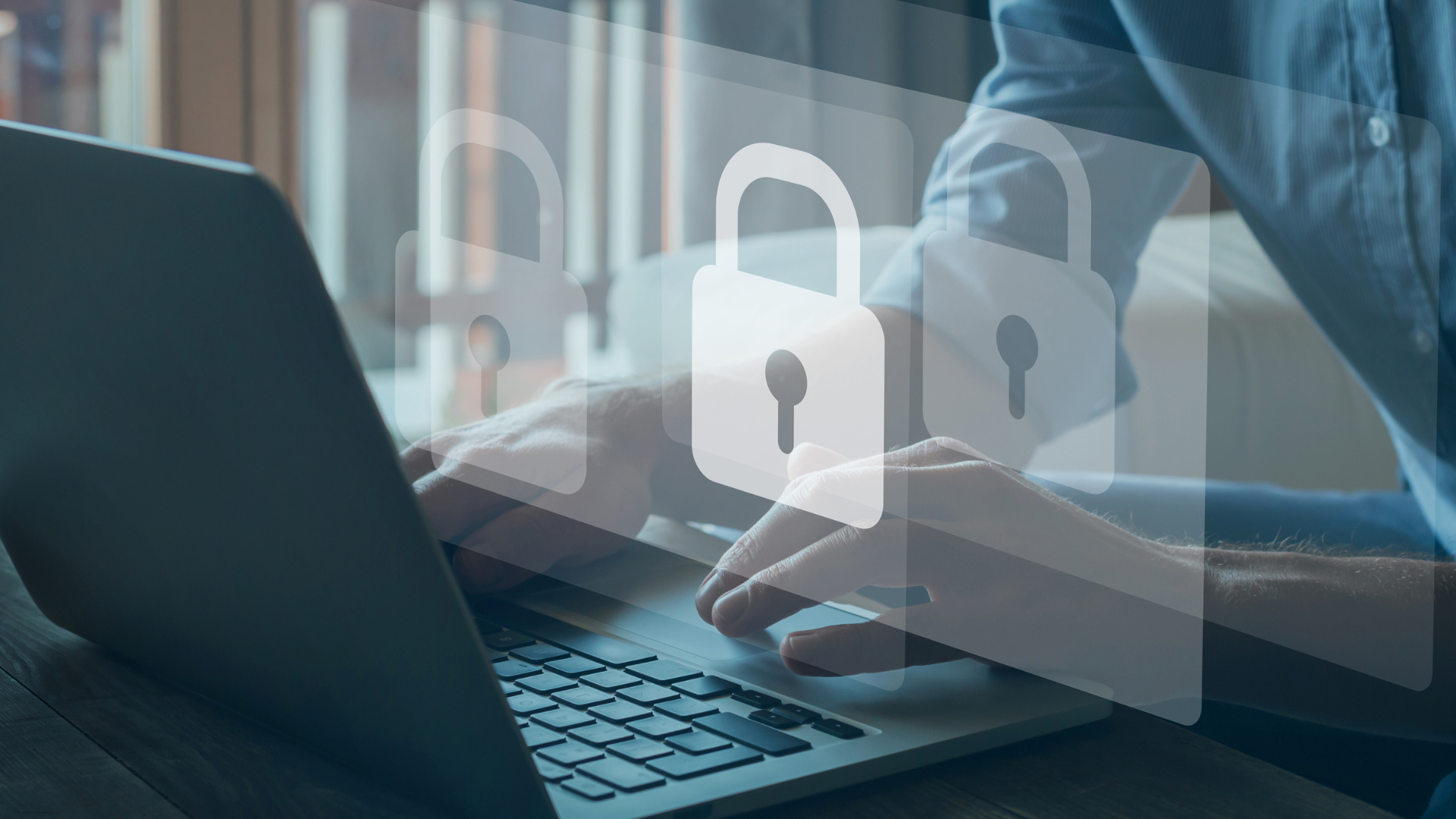
Protection on the internet comes in many forms. Some involve programs you can use, while others rely on your own personal habits and judgement. Having extra layers of security will never hurt, but having too few can leave you vulnerable. Using tools like multi-factor authentication and password managers helps greatly on the software side, while managing personal data and knowing when to stop and double-check go hand in hand. Having software protection in place helps deter attackers if they do get ahold of your information, while your own actions can help stop these attacks from succeeding.
MFA
Multi-factor authentication (MFA) is an extra layer of security for your logins. Any financial website you use should offer some form of multi-factor authentication. This usually involves a password, and something else in addition. More traditional forms of multi-factor authentication include security questions or additional PINs. More modern and secure forms include generating a code and sending it to you through a secure channel or using biometrics such as Face ID or fingerprint scan.
Turning on multi-factor authentication adds an extra layer of security and helps prevent someone from accessing your account with just your passwords. It’s like having a standard lock as well as a chain lock on your door. There are two steps to getting in, and one of them requires something extra that only you should be able to access.
Password Management
Strong passwords will always be a standard in cybersecurity. Keeping passwords at least 15 characters long and including uppercase letters, lowercase letters, numbers and symbols can make them much harder to crack. If a hacker were trying to guess your password through a brute-force attack, your password with these requirements would take a computer program 161 billion years running in optimal conditions to produce every possible combination.
Keeping track of these passwords through a password manager is always a great practice, but the most important part is making sure that password manager itself is secure. It needs its own strong password, preferably exceeding the minimum requirements, and MFA for each sign-in, preferably using biometrics. If you use the same password for your manager as you do for other applications, attackers can gain access much more easily than if you keep that password separate.
Personal Data Management
Controlling what you put out on the internet is the first step toward keeping yourself secure. Assume that attackers could use anything you post online against you. You wouldn’t put a large sign on your house that says, “I’m out of the country for two weeks!” Posting that to social media can have the same effect. Attackers with that piece of information, for example, could call you and phish information stating there is fraud on your account out of the country and need your confirmation. It’s okay to post things of that nature, just always think about the timing. Using private accounts helps greatly too, limiting the eyes on your digital footprint.
Double checks / Research
As you navigate online, knowing exactly what you are connecting to and what you are doing is just as important as having a strong password. That strong password won’t protect you if enter it on an imposter’s website. Making sure you go directly to the exact website you need, rather than searching, can help a lot.
Keeping bookmarks of verified websites helps eliminate the risk of clicking a misleading search result or accidentally selecting an ad that leads to a fraudulent website. Especially for online shopping, where websites are frequently impersonated, watch out for fake websites and make sure you are navigating directly to the website itself, not through ads. Researching websites and checking trusted sources to confirm that the sites you use are legitimate will help keep you from falling victim to impersonation attempts.
At Sentinel FCU, we stay informed about evolving cyber threats, provide ongoing staff training, and use resources to help keep our systems and information secure. While no single precaution can prevent every threat, taking steps to strengthen your passwords, protect your personal information, and verify what you encounter online can make a real difference. We’re committed to protecting our members and helping you stay informed because cybersecurity is a shared responsibility, and a little extra caution can go a long way toward keeping you safe online.